St. Andrews State Park With Kids: What to See, Bring, and Learn
Two short nature trails, a lake full of birds and a mile and a half of beach. How to turn one easy morning into a collection of discoveries.
Prices, hours and rules checked November 8, 2026 · How we research
A morning at St. Andrews State Park can give children something they won't find at every beach attraction: a chance to notice how different coastal habitats fit together. There are pine flatwoods, a freshwater lake, places to watch birds, and a beautiful stretch of shoreline—all within the same park.
If you're visiting with children or grandchildren, my recommendation is simple: don't try to do everything. Choose one short nature trail, allow plenty of time to stop and look, and leave room for the beach if conditions are suitable. A little preparation makes the outing much more enjoyable.
The quick answer: is it worth it with kids?
Yes, especially if your family likes nature. For about $8 per car you get two short trails, a lake full of wading birds, a mile and a half of beach and the calmer water behind the jetty that families call the "Kiddie Pool." Plan two to three hours, arrive in the morning, and choose one trail rather than trying to see everything.
| Age | What I'd do |
|---|---|
| Toddlers | A short boardwalk, then the calmer water by the jetty. Stay close to shore, well away from the rocks and the pass, where currents run. Done by lunch. |
| Ages 5–9 | Gator Lake for bird watching, a picnic, then beach time if the flags allow. |
| Ages 10 and up | Both trails, the jetty overlook and a comparison of habitats. Add a Shell Island boat another day. |
St. Andrews State Park at a glance
- Where: 4607 State Park Lane, at the eastern end of the Panama City Beach area.
- Hours: 8 a.m. until sundown, 365 days a year, according to Florida State Parks.
- Admission: $8 per vehicle carrying two to eight people; $4 for a single-occupant vehicle; $2 for pedestrians and bicyclists. Rates were checked in November 2026, so look for changes before you go.
- Nature trails: The Heron Pond and Gator Lake trails are each about half a mile.
- Allow: About two to three hours for one trail, stops for wildlife watching, and some unhurried beach time. This is a suggested itinerary, not the time required to see the entire park.
- Best for: Families who like nature, observation, beach time, and short outings they can adjust to different ages.
Start with one trail, not a long checklist
A park outing doesn't need a packed schedule to be worthwhile. In fact, children often notice more when they have time to stop.
I'd plan to arrive earlier in the day, particularly in warm weather. Start with water, a restroom stop, and a quick review of the park map. Then choose one trail based on the weather and how much walking your group feels like doing.
If the children are still interested afterward, add another stop. If they are hot, tired, or ready for a snack, you have already had a successful outing.
I always prefer to have more possibilities researched than we actually need. That leaves room to be flexible without having to figure everything out in the parking lot.
Stop 1: Look for birds at Gator Lake
The Gator Lake Trail offers views of a lake and the surrounding coastal habitat. The park identifies the area as a good place to observe wading birds and other wildlife; alligators are also possible, although no sighting is guaranteed.
Before you walk up to the overlook, ask the children to watch quietly for a minute. What is moving? What isn't? Does a bird stand in the water, float on it, or search along the edge?
These are simple questions, but they encourage a child to pay attention to behavior rather than just naming an animal.
Grammy Gem's Field Notes: Why do herons have such long legs?
Look for: A heron or another wading bird hunting in shallow water.
Ask your grandchild: “How do you think those legs help the bird find food?”
Try this: Compare the bird's legs and beak with those of a duck or gull. Ask what each body shape might be useful for. You don't need to know every species to have a good discussion.
Safety first: Treat the lake as wildlife habitat, not a place to wade. Keep children close, stay on designated paths and overlooks, and never approach or feed an alligator.
Stop 2: Compare a pine forest with the shoreline
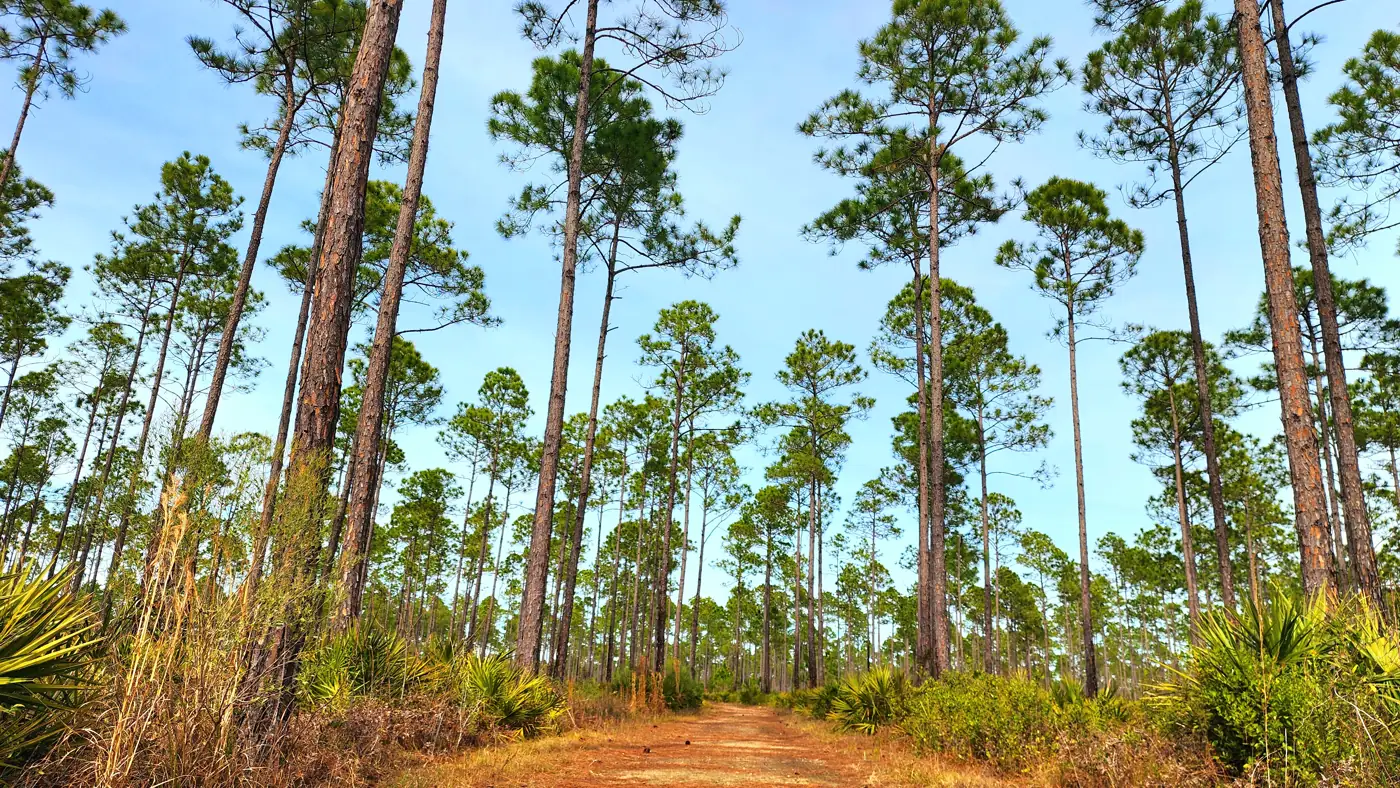
The Heron Pond Trail goes through a pine flatwoods environment. It's a useful place to introduce a basic scientific habit: comparison.
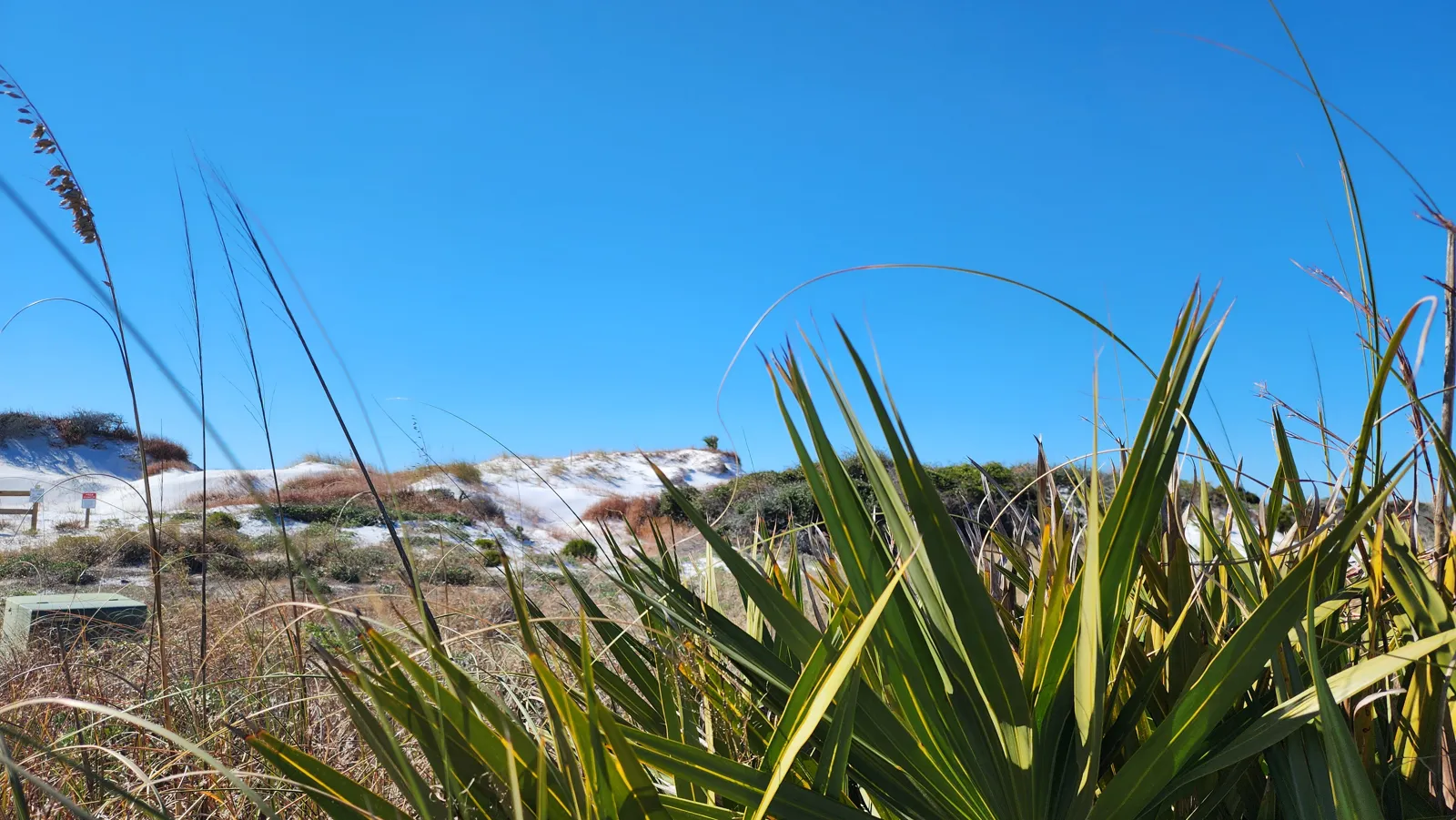
Ask children to notice three things about the plants here. Are the leaves broad or narrow? Is the ground shady or open? Does the vegetation look like what grows beside the beach?
Later, when you reach the shoreline, ask the same questions. A plant growing among dunes faces different conditions from a plant growing beneath pine trees. Wind, salt exposure, soil, and moisture all influence what can thrive in a particular place.
You can keep the conversation very simple for younger children. Older children may enjoy guessing which plants are better adapted to dry sand or salty spray—and then looking for clues to support their answers.
One useful reminder: This is an observation activity, not a collecting project. In Florida state parks, plants, animals, and park property are protected. Leave plants, wildlife, and other natural features where you find them.
Save time for the beach—but decide about swimming separately
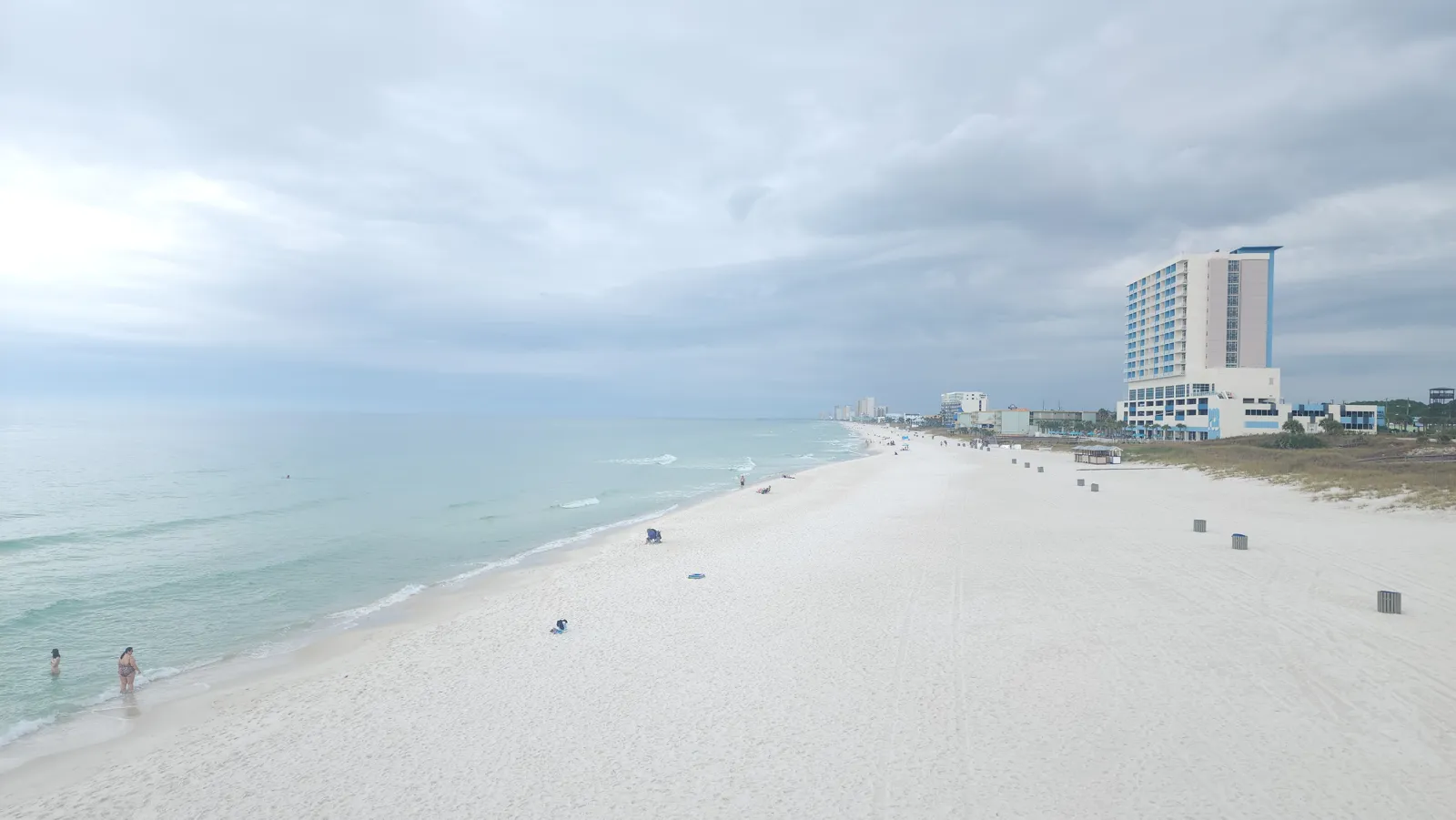
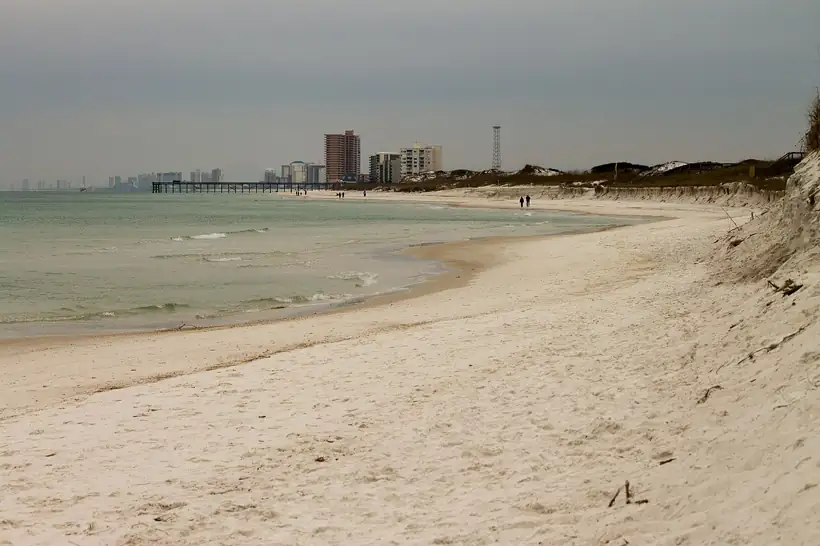
St. Andrews State Park also has more than a mile and a half of white-sand beaches. That makes it easy to combine a nature walk with a picnic, beachcombing, or time near the water.
For an educational activity, ask children to look at the shoreline rather than rush straight into the surf. Where do waves deposit seaweed? Where are birds searching for food? How does the sand differ closer to the water?
The beach is also a good place to practice respectful wildlife watching. Give resting or nesting birds plenty of space, follow posted closures, and don't disturb animals or habitat.
Swimming is a separate decision. Check the current beach warning flags, weather, and park guidance before entering the water. Conditions can change, and a sheltered-looking area isn't automatically safe. Supervise children closely around every body of water and follow all posted restrictions.
Grammy Gem's Before You Go
A little preparation can make a family outing feel pleasantly unhurried.
Check the official park page. Review hours, admission, current advisories, and accessible facilities before you leave. The park has elevated boardwalks to the beach and jetty overlook, accessible restrooms, and beach wheelchairs you can ask about at the ranger station, but individual routes and surfaces may not suit every stroller or mobility need.
Go earlier when possible. In warmer months, a morning outing often offers more comfortable walking conditions. Bring enough water for everyone.
Pack your day bag. My essentials would include water, sunscreen, hats, comfortable walking shoes, a simple snack, and a small first-aid kit. Binoculars or a phone camera can make birdwatching more interesting. I would also bring a bag for our own trash.
Don't overpromise wildlife sightings. Tell children what they might see, not what they will see. Part of observing nature is learning to enjoy unexpected discoveries.
If you're considering Shell Island, plan it separately. Our Shell Island with kids guide compares the boats. The park's concessionaire offers boat transportation, but departure times, weather, prices, and seasonal availability should be checked in advance. A boat excursion is not something I'd add casually at the end of an already full morning.
Have an appealing backup. If surf conditions aren't suitable for swimming but the weather is otherwise safe, switch to a short walk, a designated wildlife overlook, or a picnic. If thunderstorms or park closures affect outdoor access, leave the exposed areas and use a preselected indoor option elsewhere in town.
One last suggestion: let the children help plan. Give them two age-appropriate choices and ask which they'd prefer. Once you've agreed on the outing, encourage them to follow through—while keeping the plan reasonable if conditions or genuine needs change.
Is St. Andrews State Park worth visiting with grandchildren?
For families who enjoy exploring nature, yes. The appeal isn't just the beach. It's the opportunity to see different environments in one visit and turn a short walk into a collection of discoveries.
You don't need a complicated science lesson. You need a little time, a few good questions, and the willingness to stop when a child notices something interesting.
And if your grandchildren complain that you've taken too many photographs, I can sympathize. Mine have expressed that opinion more than once.
Frequently asked questions
Is St. Andrews State Park worth visiting with kids?
Yes, for families who enjoy nature. Two short trails, wading birds at Gator Lake, a long beach and the calmer water behind the jetty make it an easy two- to three-hour outing for about $8 per car.
How much time should families plan for St. Andrews State Park?
Two to three hours is a comfortable starting point for one short trail, wildlife watching, and a little beach or picnic time. Add more if you want an extended beach day or a separate boat excursion.
Can children see alligators at Gator Lake?
Alligators inhabit the area, and visitors may spot them from designated viewing areas. Sightings are not guaranteed. Keep your distance, remain on marked routes, and never feed or approach wildlife.
Do families need to reserve tickets to enter the park?
The park lists a standard vehicle entrance fee for day use. If you are planning a boat shuttle, rental, campsite, or organized activity, check the operator's booking requirements separately. Confirm current policies before traveling.
What should grandparents bring?
Water, sunscreen, hats, comfortable shoes, snacks, and anything children need for a comfortable walk. Binoculars and a camera are optional but useful for observing wildlife without disturbing it.
How we research our guides
We check prices, hours, fees and rules against official sources, such as the City of Panama City Beach, Bay County, Florida State Parks and the businesses themselves, and we note the date we last checked. Our writers only describe visits, meals and experiences they've actually had. We don't publish made-up reviews or quotes.
Details change, so confirm anything important before you go. Spot something out of date? Let us know.